
Embarking on a kitchen renovation is one of the most significant and rewarding home projects—but it’s also one of the most complex. It’s more than just choosing new cabinets; it’s about solving your family’s daily workflow challenges, maximizing return on investment, and avoiding the pitfalls that can drain your budget and timeline.
This comprehensive guide, built on industry expertise and deep customer research (Jobs-to-be-Done framework), is designed to be the only resource you’ll need. Whether you’re working with a professional designer or hiring a trusted handyman in Toronto, we dive deep into the crucial stages—from setting a realistic budget and creating optimal layouts for busy lives, to selecting durable, high-ROI materials like quartz and hardwood. You’ll also find actionable strategies for vetting and managing contractors, ensuring you stay on track and guarantee a functional, beautiful, and mistake-free kitchen remodel. Stop worrying about the unknowns; start building your dream kitchen with confidence.
Planning and Budgeting: The Non-Negotiable Foundation
The success of any kitchen project is determined long before the first cabinet is removed. This section equips homeowners with the financial and logistical blueprints needed to eliminate surprises and secure project stability.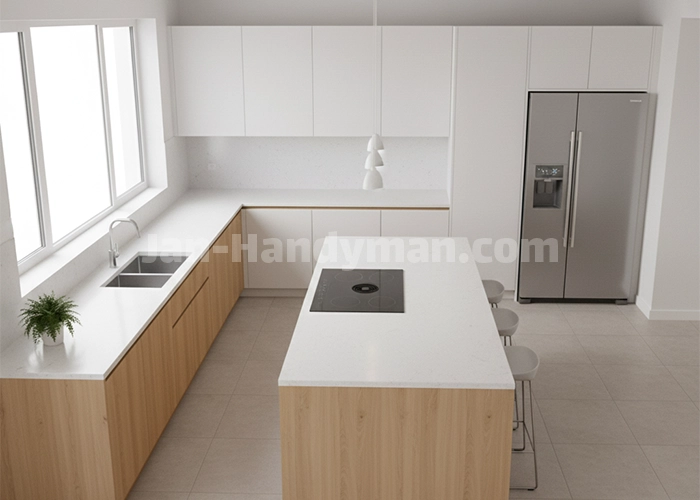
How to Set a Realistic Budget for Your Kitchen Renovation
The rule of thumb suggests spending between 5% and 15% of your home’s total value on a kitchen remodel. However, a “realistic” budget requires a detailed breakdown of the five major cost zones: Cabinetry (25-35%), Countertops (10-15%), Appliances (10-20%), Installation/Labor (20-30%), and Contingency (10%). Always allocate a minimum 10% contingency fund for unforeseen issues like plumbing problems or unexpected structural changes, which are common in older homes. Prioritize where maximum functionality is needed (e.g., quality hardware and core appliances) and consider savings on less impactful elements (e.g., standard tile backsplashes).
The Ultimate Kitchen Renovation Checklist: Before You Call a Contractor
Before soliciting bids, a well-defined plan is your shield against scope creep and budget inflation. Your checklist must include: 1. Job Definition: (What is the ultimate goal? Function? Aesthetics? ROI?); 2. Layout Drawing: (Even a rough sketch of desired zones); 3. Appliance Specifications: (Pre-selecting models ensures accurate cabinet sizing); and 4. Material Wishlist: (Defining material quality tiers—e.g., mid-range quartz, high-end custom cabinets). Presenting a clear package minimizes contractor guesswork and secures more accurate bids.
How Long Does a Full Kitchen Remodel Really Take? A Step-by-Step Timeline
A full, mid-to-large-scale kitchen renovation typically takes 10 to 16 weeks from demolition to final inspection. The longest phases are almost always Permitting and Design (2-4 weeks) and Custom Cabinet Manufacturing (4-8 weeks). The physical demolition and installation phase is surprisingly fast (2-4 weeks). Tip: Order all long-lead items (cabinets, unique appliances, custom counters) before demolition begins to avoid weeks of downtime.
Query Chain: How to Fund Your Kitchen Remodel: Loans vs. Savings vs. HELOC
The financial job-to-be-done is to access the necessary capital at the lowest effective rate. Home Equity Line of Credit (HELOC) is often the most cost-effective route, offering flexible draws and interest-only payments, as the renovation itself typically increases the home’s collateral. Personal loans offer speed but higher rates. Dipping into savings should be balanced against the project’s expected ROI; large renovations often justify smart borrowing.
Design and Layout: Optimizing Your Kitchen Workflow
Aesthetics are secondary to functionality. This section focuses on the science of kitchen design, ensuring the finished space supports the user’s daily “job.”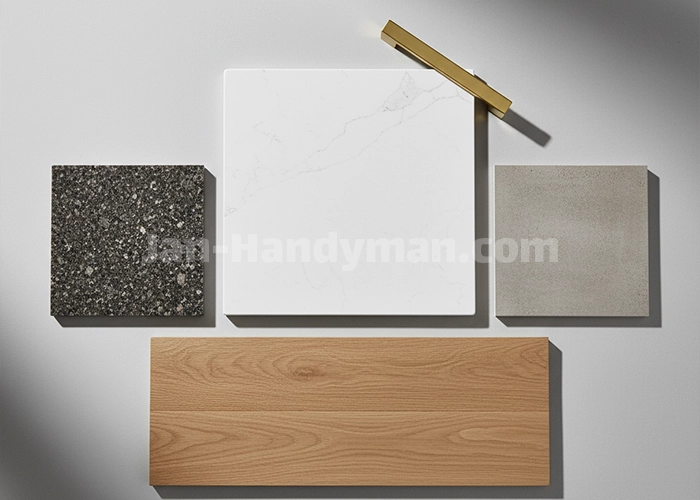
The Best Kitchen Layouts for Small and Medium-Sized Homes
The Working Triangle (Sink, Stove, Refrigerator) remains the gold standard for efficiency.
- Small Kitchens: The Galley or L-Shape maximizes counter space and minimizes steps.
- Medium Kitchens: The U-Shape or G-Shape offers maximum storage, while the L-Shape with Island introduces a crucial secondary prep/social zone. Prioritize walkways of at least 36 inches (42 inches near appliances) to maintain flow.
Maximizing Storage: Intelligent Cabinet Solutions That Double Your Space
Standard shelving is an outdated inefficiency. Modern design dictates utilizing intelligent storage solutions. Prioritize deep drawer storage over base cabinets for pots and pans. Implement roll-out pantry systems and blind corner pull-outs to eliminate inaccessible “dead space.” These solutions directly address the job of feeling organized and reducing clutter frustration.
Open Concept vs. Closed Kitchen: Which Layout is Right for Your Family?
Open Concept supports the social job: being visible and engaged while cooking. However, it requires vigilance (no hiding dirty dishes) and excellent ventilation. Closed Kitchens (or semi-open with a pass-through) support the functional job: minimizing distraction and isolating cooking odors. The best choice depends on the family’s primary use case: entertaining (open) or intensive daily cooking (closed/semi-open).
Faceted Exploration: How to Design a Kitchen That Fits Both Entertaining and Daily Cooking Needs
The solution often lies in zoning. Create a “Hidden Prep Zone” within the working triangle and a separate “Social Zone” (e.g., a large island with bar seating) that includes easy access to drinks and snacks, keeping guests out of the primary workflow. Multi-level islands can subtly separate these two functions visually and functionally.
Materials Deep Dive: The Best Investment Choices
Materials dictate durability, maintenance, and long-term value. This is where informed decisions prevent future regret.
Quartz vs. Granite vs. Marble: A Comparison of Kitchen Countertop Durability and Cost
- Quartz: Highly recommended for busy homes. It is non-porous, stain-resistant, and requires no sealing. (High Durability, Mid-to-High Cost).
- Granite: Requires periodic sealing but offers natural uniqueness. (High Durability, Mid-Cost).
- Marble: Unmatched beauty, but soft and prone to etching and staining. Best suited for low-traffic areas or homeowners comfortable with a patina. (Low Durability, High Cost).
Choosing the Right Kitchen Cabinets: Plywood vs. MDF vs. Solid Wood Pros and Cons
The cabinet boxes are the skeleton of your kitchen. Plywood (especially Baltic Birch) offers superior stability, moisture resistance, and holds screws better—ideal for long-term use. MDF (Medium-Density Fiberboard) is cost-effective and performs well in painted finishes but lacks the structural integrity of plywood. Solid Wood is excellent for doors but is prone to warping with humidity changes. The best investment is usually a Plywood box with Solid Wood or high-quality MDF doors.
Appliance Selection Guide: Must-Have Features for Modern Kitchens in 2025
Focus on appliances that solve problems. Must-have features include Induction cooktops (for speed and safety), Counter-depth refrigerators (for better aesthetics and flow), and Convection ovens (for efficiency). Look for smart integration that truly adds value (e.g., notification of a finished cycle), not just gimmicks.
Comparative Expansion: Best Flooring Options for Kitchens: Tile vs. Hardwood vs. Luxury Vinyl
- Porcelain Tile: The undisputed champion of durability and water resistance. (High ROI/Durability).
- Engineered Hardwood: Offers warmth but is sensitive to standing water and needs protective sealing.
- Luxury Vinyl Tile/Plank (LVT/LVP): Excellent waterproof, budget-friendly alternative that can mimic wood or stone convincingly. (High Value/Cost).
Hiring and Execution: Avoiding Costly Mistakes
The emotional job of reducing fear and uncertainty is handled by choosing and managing the right professionals.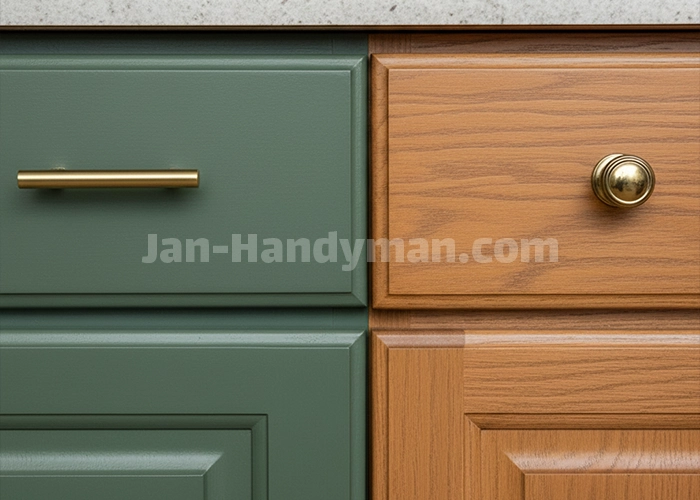
Red Flags When Hiring a Kitchen Renovation Contractor
Protect yourself by watching for these critical red flags: 1. Cash-Only Requirement; 2. No Written Contract (or vague terms); 3. Skipping the permit process; 4. Extremely low bids (too good to be true); 5. Refusal to provide proof of insurance (liability and worker’s comp). Always check recent client reviews, not just testimonials provided by the contractor.
Negotiating the Contract: Essential Terms You Must Include Before Signing
The contract must define the scope of work, payment schedule, and change order process. Crucially, include a lien waiver clause (to prevent subcontractors from suing you for unpaid work) and a detailed warranty period (minimum one year) for labor. The payment structure should be milestone-based, with a significant final payment (10-15%) withheld until punch list completion.
Managing the Renovation Process: Tips for Staying on Schedule and Under Budget
Proactive communication is key. Establish a weekly check-in meeting with the site foreman. Maintain an accessible decision log for quick answers regarding material finishes or minor changes. Minimizing your own delays in answering questions is the fastest way to keep the project moving forward.
Disambiguation Query: What are the Permit Requirements for a Kitchen Remodel in montreal?
Permits are mandatory for any changes involving plumbing, electrical, structural modification, or gas lines. Even if the work is simple, always confirm local requirements. Skipping permits can void your home insurance and create major resale problems.
Cost-Saving and Value Maximization Strategies
This section is for the budget-conscious homeowner seeking maximum impact per dollar spent.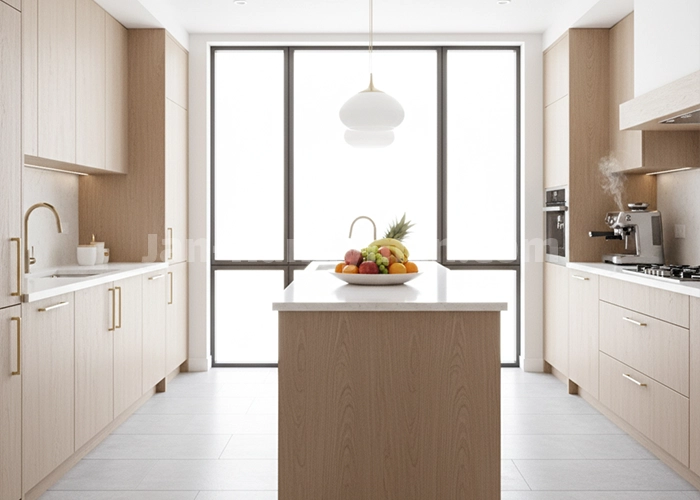
High-Impact, Low-Cost Kitchen Renovation Hacks for Under $500 (DIY Focus)
Focus on quick wins that change the perception of the space: 1. Updating Cabinet Hardware (knobs/pulls); 2. Painting lower cabinets only (creates contrast); 3. Installing a modern faucet; 4. Upgrading lighting fixtures (especially under-cabinet lights). These changes address the emotional job of feeling modern without the functional job of tearing out walls.
How to Increase Your Home’s Value with a Kitchen Remodel (ROI Analysis)
A mid-range kitchen remodel typically returns 60% to 80% of its cost upon resale. The highest ROI comes from minor remodels that focus on aesthetic updates (e.g., painting cabinets and replacing countertops). Avoid over-improving your kitchen far beyond the quality of neighboring homes, which limits ROI.
Should You Reface or Replace Your Kitchen Cabinets? A Cost Breakdown
Refacing involves keeping the cabinet boxes but replacing the doors and applying a new veneer. It typically saves 30% to 50% of the cost of a full replacement and is ideal if your current cabinet boxes are structurally sound and the layout is functional. Replacement is necessary if the boxes are damaged, the layout is flawed, or you require modern storage solutions.
Contextual Augmentation: Kitchen Renovation Ideas for Rental Properties or Temporary Spaces
For temporary or rental spaces, focus solely on cosmetic and non-permanent changes. Use peel-and-stick backsplashes/flooring, temporary cabinet contact paper, and portable kitchen islands. The goal is Maximum Visual Impact at Minimum Financial Risk.